Cairns Veterinary Clinic
At Cairns Veterinary Clinic and Gordonvale Veterinary Surgery, we provide veterinary care for dogs, cats and small pets, proudly serving families across Cairns and Gordonvale.
Since 1966, our locally owned team has provided everything from health checks and preventative care to advanced surgery and diagnostics, always with compassion and respect. Our experienced team are here to support your pet’s health at every stage.
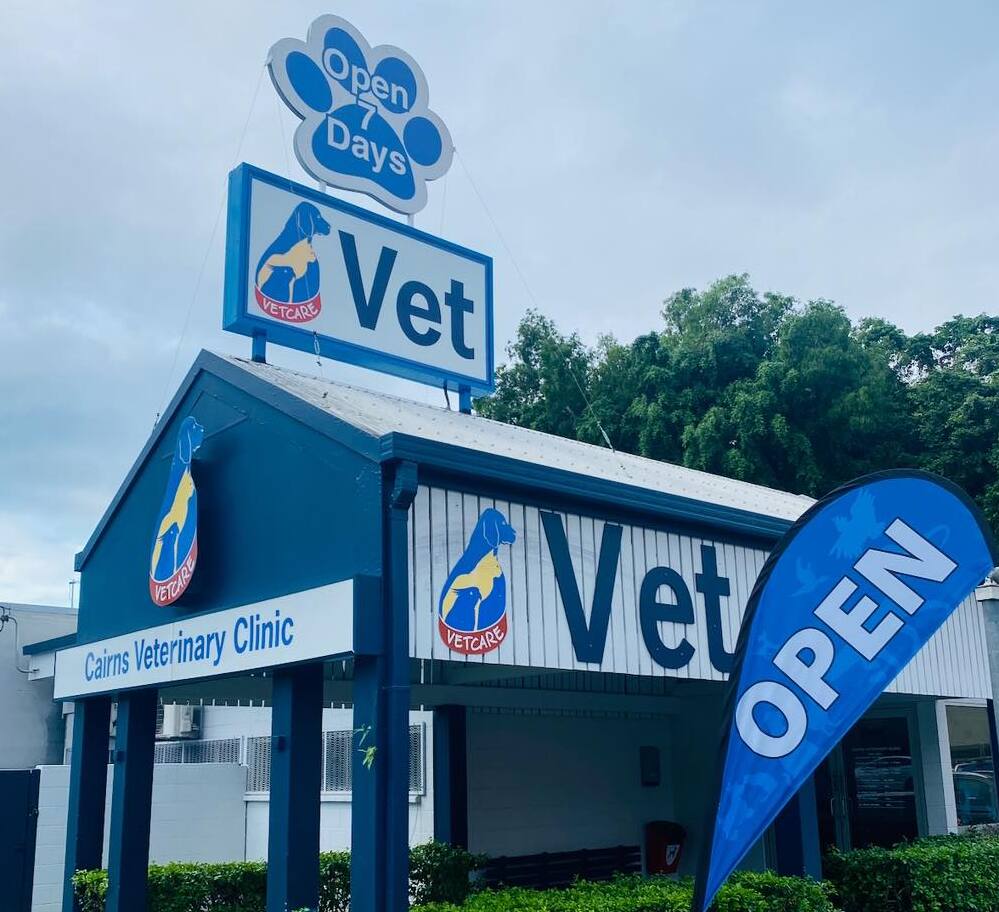
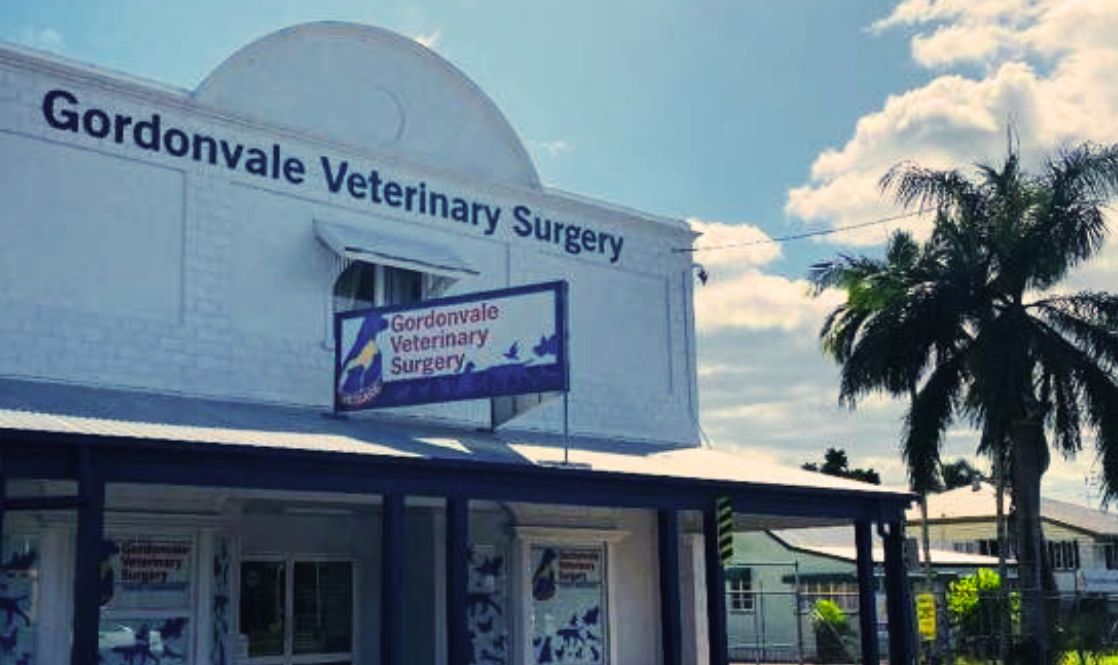
Exceptional veterinary care servicing the Cairns Region
We provide the highest quality veterinary care for pets and their families across Cairns, Gordonvale, and surrounding areas. At every appointment, we deliver compassionate, respectful, and professional care.
Two Conveniently Located Clinics
Cairns Veterinary Clinic
Monday to Friday: 7.30 am – 6.30 pm
Saturday, Sunday & Public Holidays: 8.30 am – 1.00 pm
Gordonvale Veterinary Surgery
Monday to Friday: 9.00 am – 5.00 pm
Saturday: 8.30 am – 12.00 pm
Whether you’re in Cairns, Gordonvale, or nearby communities such as Edmonton, Smithfield, Palm Cove, or Bentley Park, our dedicated team is here for you.
Platinum Paws Club
We believe preventative care deserves to be rewarded. That’s why every annual vaccination includes a FREE 12-month membership to our Platinum Paws Club — a program designed to help pet owners stay proactive about their pets’ health while saving on essential services.
Platinum Paws Club Benefits:

Discounted Heartworm Preventative Injection

Free Intestinal Wormer (one per year)

15% Discount on Food, Treats & Preventative Health Care

15% Discount on Microchipping & Early Desexing

Free Unlimited Weight & Dental Assessments

Two Free Nail Clips per year

50% Discount on Puppy Preschool
Membership is automatic when your pet receives their annual vaccination at our clinics, helping you keep them healthy and happy all year long.
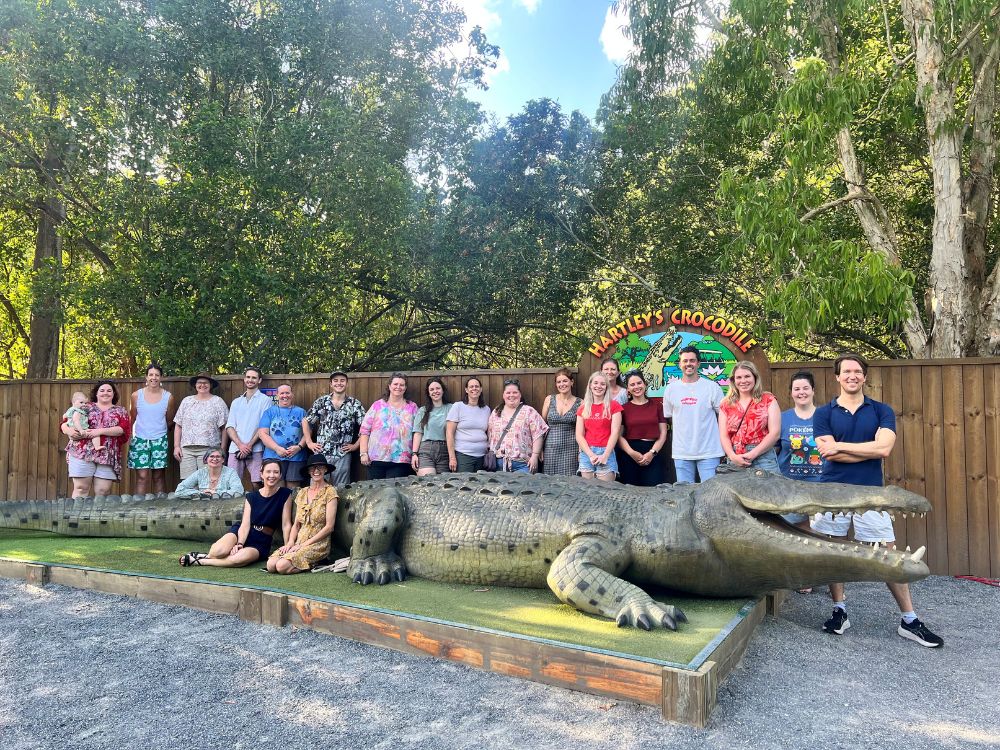
Meet Our Team
From skilled surgeons to caring general practitioners, our veterinary team brings together a diverse range of expertise. With decades of combined experience, advanced training, and a shared commitment to ongoing learning, we’re here to provide care you can trust, delivered with the same patience and care we’d want for our own pets.
Veterinary Services We Provide
Our clinics offer a comprehensive range of services to support your pet’s health at every life stage. Some of our most popular services include:
Preventative Care
From vaccinations and parasite prevention to microchipping and health checks, we help keep your pets healthy year-round. Learn more…

Pet Dentistry
Our dedicated dental suite and radiography allow us to perform everything from routine cleaning to advanced oral surgery, ensuring healthy teeth and gums. Learn more…
Orthopaedic Surgery
We provide advanced orthopaedic procedures, including TPLO and patella luxation surgery, giving pets with mobility issues the best chance at recovery. Learn more…
Pet General Surgery
We provide both routine and emergency pet surgery, ensuring your pet receives safe, expert care when they need it most. From standard procedures to urgent life-saving operations, our experienced team is here to help. Learn more…
Why Choose Our Clinics?
- Locally Owned & Trusted Since 1966
We are the oldest locally owned veterinary practice in Cairns. - Comprehensive Care
From routine health checks to complex surgeries, we provide comprehensive care at every stage of your pet’s life. - Compassionate Approach
All pets are treated like family, and every visit is guided by empathy and respect.
- Advanced Technology
Equipped with modern diagnostics, digital radiography, and surgical facilities, our clinics are ready to handle all your pet’s health needs. - Community Commitment
We are proud partners of local rescue groups YAPS and NQAR.
What Our Clients Say
Our clients often share their appreciation for the professionalism, kindness, and care their pets receive at our clinics. We’re proud to be a trusted part of the local community and invite you to read their experiences.